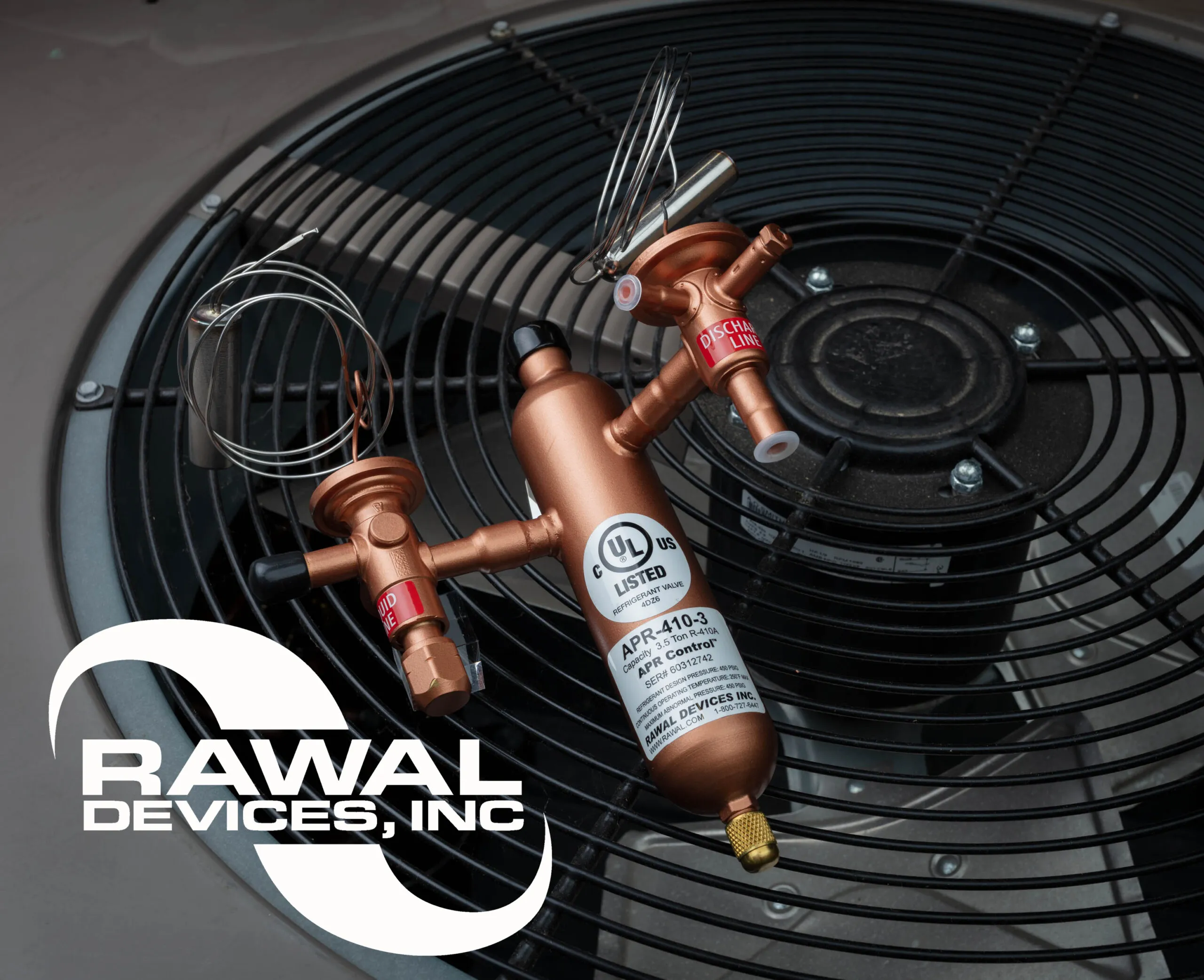
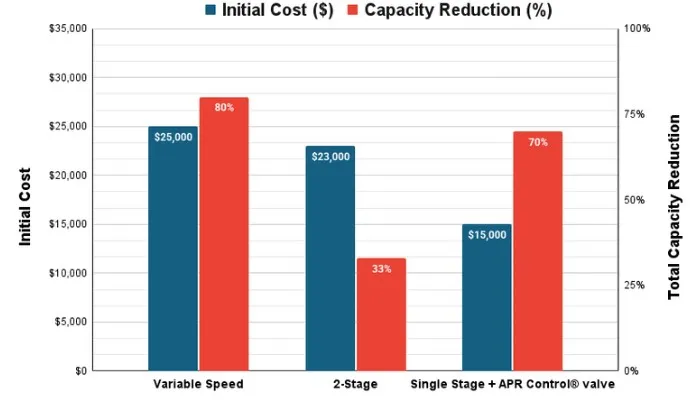
The variable capacity HVAC solution from Rawal, via the APR Control, offers superior cost-effectiveness compared to the other variable capacity solutions in the industry. Before you invest in an HVAC upgrade, see how APR Control® capacity modulation device stacks up against the traditional alternatives.
APR Control vs. Other Variable Capacity HVAC Solutions
Upgrade decisions for HVAC systems can be confusing. There’s lots of solutions that promise improved efficiency, modulation, and comfort. That’s why our side-by-side comparison titled “APR Control vs. Variable Speed: Cost & Performance Comparison” simplifies your decision-making process. Inside this downloadable PDF, you’ll see how APR Control stacks up against traditional HVAC solutions in areas like capacity modulation, initial cost, and system performance.
Variable Capacity HVAC Solutions Comparison: The Smart Choice for Any Facility
When it comes to HVAC upgrades, businesses, schools, and other facilities face a common challenge: how to balance cost, comfort, and efficiency. Before investing in expensive system overhauls or new units, it’s vital to weigh all options. While new variable speed and 2-stage systems can improve performance, they come with a much higher price tag and additional trade-offs. More and more facility managers and building owners have discovered that a standard single-stage unit with the APR Control can deliver comparable turndown performance, at a considerably less upfront cost.
Our comparison highlights how APR Control, a mechanical, capacity modulation solution, offers benefits across the board:
- New equipment or Retrofit capability: Easily installed on new or existing in-place air conditioning equipment without the high upfront costs.
- Superior dehumidification: Dynamically matches system capacity to the changing load within the space, across various HVAC environments.
- Improved performance: Delivers capacity reduction comparable to variable speed systems—but with a lower price tag.
With these insights side-by-side, facility managers, engineers, and building owners can make confident upgrade decisions that align with performance, comfort, and budget priorities.
Why Compare Variable Capacity HVAC Solution Options?
Upgrading HVAC systems isn’t just about replacing equipment—it’s about making the right investment for your building’s needs. That means:
- Maintaining precise temperature and humidity control for comfort and indoor air quality
- Managing budgets by avoiding unnecessarily high equipment costs
- Reducing energy consumption while meeting load demands efficiently
- Extending the life of existing equipment where possible
To ensure an accurate and fair comparison, we conducted our own research using actual budget/list prices for 5 Ton R-454B heat pump condensing units (equipment only), sourced directly from major equipment manufacturer websites. For this analysis, labor costs are excluded from the initial cost of new unit installations to keep pricing consistent across systems. However, installation labor for the APR Control is included to reflect the complete investment for that option. Here’s what our research revealed:

Option 1: Variable Speed (Modulating Compressors)
Example: 5 Ton, Residential Variable Speed Heat Pump (R-454B)
- Turndown Performance: ~80% (5 tons down to 1 ton)
- Approximate Cost: $25,000 (condensing unit only)
- Pros: Maximum flexibility in matching capacity to load, high efficiency
- Cons: Highest upfront cost; more complex components can mean higher repair and maintenance costs
Option 2: 2-Stage System
Example: 5 Ton, Residential 2-Stage Heat Pump (R-454B)
- Turndown Performance: ~33% (5 tons down to 3.3 tons)
- Approximate Cost: $23,000 (condensing unit only)
- Pros: Lower cost than variable speed, improved efficiency compared to single stage without controls
- Cons: Limited flexibility—cannot match load as precisely, which can reduce humidity and energy savings benefits
Option 3: Single Stage with the APR Control
Example: 5 Ton, Residential Single Stage Heat Pump (R-454B)
- Turndown Performance: ~70% (5 tons down to 1.5 tons)
- Approximate Cost: $15,000 (including $4,000 for installed APR Control®)
- Pros: Nearly the same turndown as variable speed at a much lower cost; retrofit or new install options; simpler maintenance; works in a variety of applications from healthcare to education to commercial
- Cons: Slightly less turndown than variable speed but significantly better than 2-stage
Side-by-Side HVAC Cost & Performance Comparison
| System Type |
Turndown Performance |
Approx. Cost |
| Variable Speed |
80% (5 to 1 ton) |
$25,000 |
| 2-Stage |
33% (5 to 3.3 tons) |
$23,000 |
| Single Stage + APR Control® | 70% (5 to 1.5 tons) |
$15,000 |
Why the APR Control Delivers the Best Value
Without even factoring installation costs for new units, the APR Control® option is already $8,000–$10,000 cheaper than variable speed or 2-stage systems.
With 70% turndown performance, facility operators can achieve excellent humidity control and reduced energy use by closely matching load to demand, without the high price of variable speed equipment.
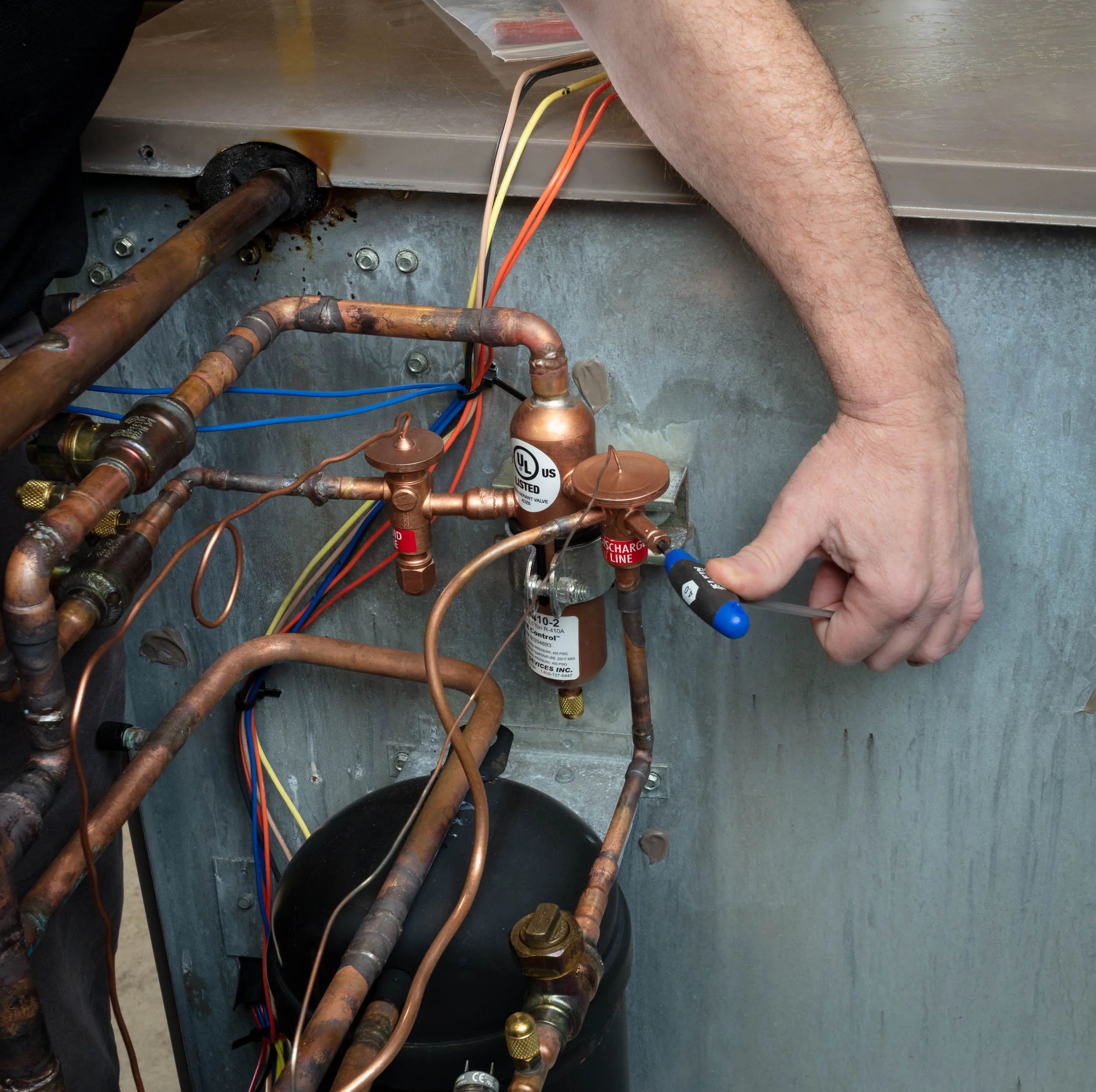
In many cases, the APR Control® capacity modulation device can be installed on new single-stage DX equipment for much less than other variable capacity options. Or the APR Control can be installed on existing in-place DX systems, avoiding the cost and disruption of a full system replacement. That makes it a smart investment across industries, from healthcare facilities needing precise environmental control to manufacturing sites wanting to protect product quality, to offices and schools seeking consistent comfort at lower cost.
Download and Use It Today
Ready to make a smarter HVAC upgrade decision? Download the PDF now and use it as a tool to:
- Pitch to facility owners or stakeholders
- Justify retrofit investments to board members
- Guide service technicians or contractors during system audits
Improve comfort, reduce energy use, and safeguard system reliability — with clarity and confidence.
Download “APR Control vs. Conventional Solutions: HVAC Upgrade Comparison” now as your essential guide to HVAC upgrades backed by data, cost comparison, and real-world performance.
Case Studies